
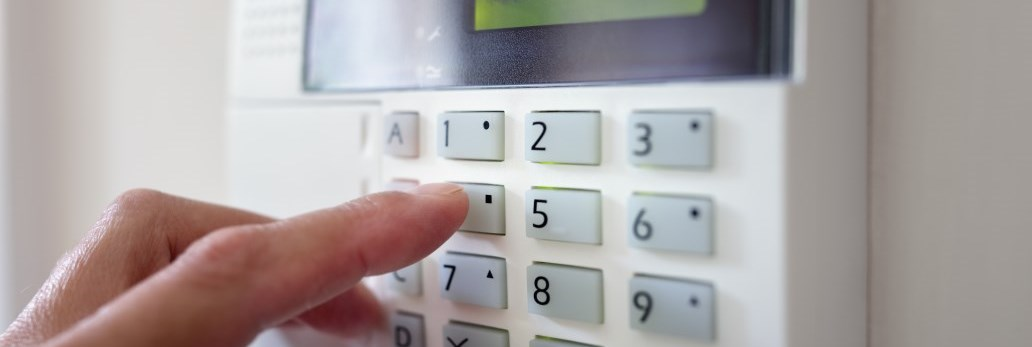
When an alarm goes off, every second counts. Alarm response security is not just about the sound of sirens or flashing lights, it is about immediate action and professional intervention that can make the difference between safety and disaster.
A well-structured alarm response system activates a chain of critical steps that protect people, property, and peace of mind. In this article, you will learn how alarm response works from the moment a sensor is triggered to the arrival of trained teams on site, why speed matters more than most people realize, and how a fast response impacts both security outcomes and personal reassurance.
The Role of Alarm Response Security
Alarm response security has become an essential part of modern safety strategies for both businesses and homeowners. At its core, it is the process of monitoring, verifying, and responding to alarm signals in real time. This means that when an alarm is activated, it is not left unattended or waiting for a delayed police response. Instead, a dedicated monitoring station receives the alert, verifies its legitimacy, and dispatches professional responders.
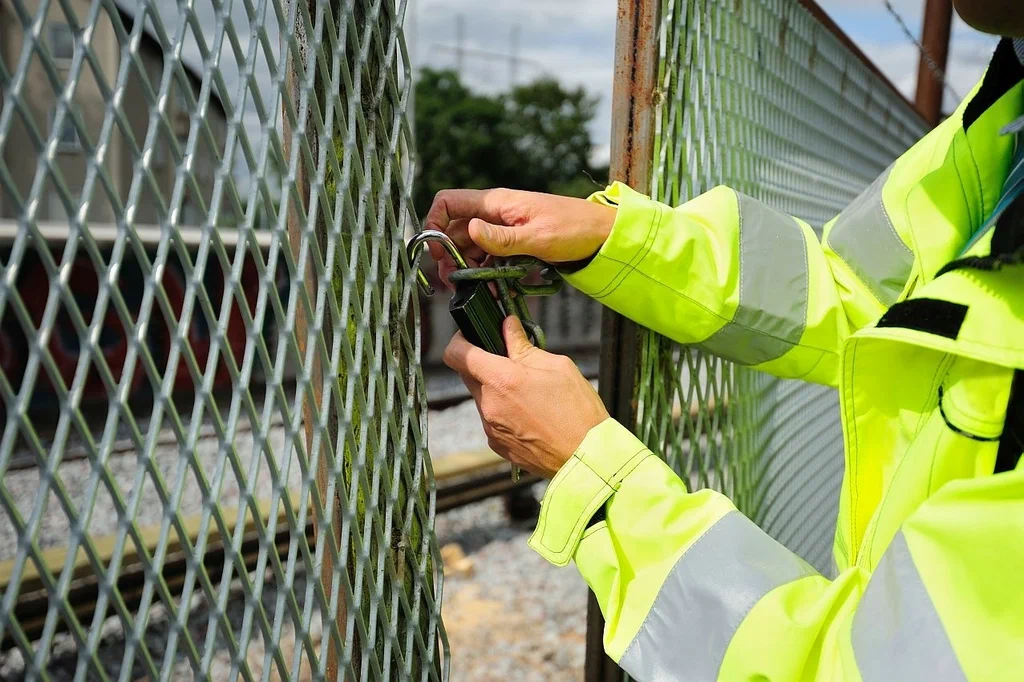
Many people still assume that alarm systems alone are enough to deter crime. While they are effective deterrents, studies show that the real power comes from combining alarm systems with professional alarm response services. With burglaries often lasting under 10 minutes, and with 83 percent of burglars admitting they check for alarm systems before attempting a break-in (source), having an integrated alarm response system ensures that deterrence is backed up by immediate action.
Businesses benefit particularly from alarm response security because unattended facilities, warehouses, and retail spaces are common targets for crime. Professional response teams reduce risks by arriving quickly, often before intruders can escape or before damage escalates. For homeowners, the benefits are equally clear, providing reassurance that their family and property are being protected at all times.
Step-By-Step: What Happens After an Alarm is Triggered
When an alarm is triggered, a clear and structured process unfolds. Each step is designed to minimize delays and maximize security outcomes:
- Alarm Monitoring: The moment a sensor detects movement, entry, or tampering, the alarm sends a signal to the central monitoring station. This could involve door contacts, motion detectors, glass break sensors, or even smoke detectors.
- Verification: Monitoring staff assess whether the alarm is genuine or false. They may review video feeds, listen to audio sensors, or contact the property owner for confirmation. This step reduces unnecessary dispatches while ensuring real threats are not ignored.
- Dispatch Decision: If a real threat is confirmed, a trained alarm response team is dispatched immediately. The goal is to reduce lag time so that the responders can arrive before damage escalates.
- On-Site Intervention: Once on-site, the response team secures the premises, investigates suspicious activity, and coordinates with police or emergency services if required.
- Incident Reporting: Finally, the property owner receives a detailed report that documents what happened, what actions were taken, and recommendations for preventing future incidents.
This structured process ensures that alarms do not simply make noise but lead to real-world action that neutralizes risks quickly.
Why Speed of Response Matters
Speed is everything in alarm response security. Burglary statistics reveal that most break-ins last less than 10 minutes (source), which means that waiting even a few minutes too long can result in stolen property, vandalism, or worse. Quick action has several critical benefits:
- Risk Containment: Rapid intervention stops criminals before they can fully carry out their plans.
- Damage Reduction: Fires, floods, or vandalism incidents can escalate within minutes, but early response reduces long-term costs.
- Safety Assurance: For occupants on-site, immediate action is crucial for personal safety and peace of mind.
Benjamin Franklin once said, “An ounce of prevention is worth a pound of cure” (source), and in the context of alarm response, prevention through rapid action is the clearest path to avoiding long-term losses.
The Real Impact on Risk Reduction
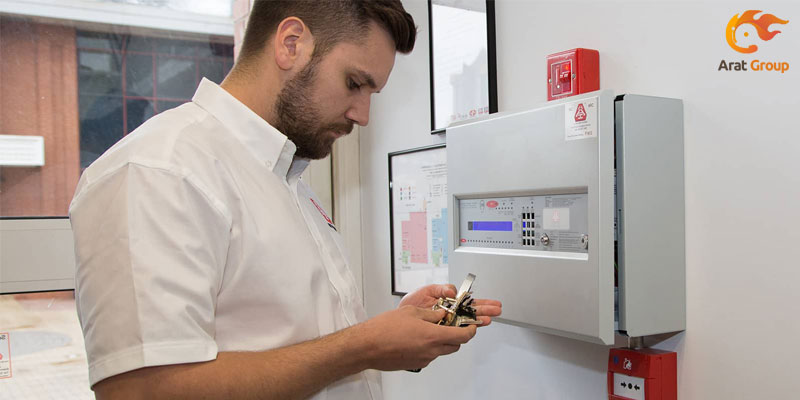
Alarm response services create a ripple effect of benefits beyond just crime prevention. They help communities by reducing the burden on police departments, many of which face overwhelming numbers of false alarms. In fact, false alarms account for 94 to 98 percent of alarm calls in some areas, which is why police departments increasingly rely on verified alarm response programs. With verification in place, security teams only dispatch when there is a genuine threat, cutting down on wasted resources and improving the effectiveness of responses.
For businesses, risk reduction translates directly into lower insurance claims and higher operational continuity. For homeowners, it means avoiding not only financial loss but also the emotional stress of dealing with burglary or property damage. The bottom line is clear: verified and rapid alarm response reduces crime, limits damage, and delivers peace of mind.
Why Peace of Mind Is Important
Peace of mind is often overlooked in discussions of security, but it is one of the most valuable outcomes of alarm response services. Knowing that professionals are on standby to respond at any hour allows you to focus on living your life or running your business without constant worry.
For families, this reassurance means children and loved ones are protected even if an incident occurs while you are away. For business owners, it means employees and assets are secured, minimizing liability and stress. Peace of mind is not just an emotional benefit, it is a practical one that supports productivity, mental well-being, and confidence.
As Sophus Falck, the Danish founder of one of the world’s largest rescue and security services companies, once said, “Rapid assistance is double assistance” (source). His words highlight why quick response is so central to modern security—it doubles the value of the help provided.
Choosing the Right Alarm Response Partner
Not all alarm response services are equal. When choosing a provider, there are several factors to consider:
- Response Time Guarantee: Ask about average dispatch times and on-site arrival windows.
- Verification Capabilities: Look for providers that use video verification or audio monitoring to confirm alarms.
- Training and Expertise: Ensure response teams are trained in conflict management, emergency aid, and coordination with law enforcement.
- Coverage Area: Check that services extend to your property’s location and surrounding areas.
- Reporting Transparency: Reliable providers issue detailed incident reports and follow-up recommendations.
Selecting a reputable partner ensures you are not just paying for monitoring but investing in real, tangible protection.
FAQs
1. How fast should an alarm response arrive?
Ideally within minutes since burglaries can be over in under 10 minutes.
2. Why do some police departments not respond to alarms anymore?
Because most alarm calls are false, many departments only respond to verified threats.
3. What makes a response system verified?
Verification means an additional step like video confirmation or audio monitoring before dispatch.
4. How do alarms deter burglars?
Most burglars check for alarms first and leave when they see one.
5. Can private alarm services really reduce crime rates?
Yes, studies show they reduce false alarms and contribute to lower burglary rates.
Final Thoughts
Alarm response security is much more than technology – it is a professional service that ensures every alarm leads to meaningful action. From fast monitoring to verified dispatch, these systems are designed to reduce risks, protect people, and secure property when it matters most. With burglaries often lasting less than 10 minutes and most burglars deterred by visible alarms, having a rapid alarm response system provides both prevention and peace of mind.
As Benjamin Franklin wisely noted, “An ounce of prevention is worth a pound of cure.” When it comes to security, investing in prevention through quick response is the best way to ensure that threats are stopped before they become disasters.